Cancer Care Information for Patients & Caregivers in Singapore
Explore articles on cancer care, including diagnosis, treatment, and supportive care in Singapore. These resources provide general information to help patients and caregivers better understand their journey and support discussions with their healthcare team.
New & recent approved systemic treatments for Hepatocellular Carcinoma (HCC) Liver Cancer
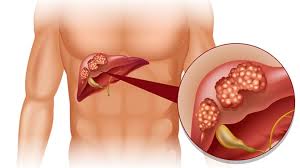
Hepatocellular carcinoma (HCC) or primary liver cancer often presents in the advanced stage. It is an aggressive tumour that often occurs in the setting of chronic liver disease and cirrhosis of the liver. It is often discovered late, and the survival following diagnosis is often poor. Although the mainstay of treatment is surgical operation, many patients are not suitable because of extensive tumour or poor liver function. Systemic therapy is the main treatment for these cases. In Asia, liver cancer is listed as one of the most common malignancies, in view of endemic hepatitis B and C. Advances and understanding of the disease, have led to the recent development of new systemic therapeutic options. At OncoCare Cancer Centre, Singapore, we often see patients with advanced HCC for discussion of treatment. Currently only targeted therapy and immunotherapy are the only approved modalities for systemic therapy. Chemotherapy has not been shown to prolong survival of patients with advanced HCC. Some of these therapies used at OncoCare and how they work, are discussed here.
American Society of Oncology (ASCO) Annual Meeting was held from 1 to 5 June 2018, McCormick Place, Chicago, IL, USA. A team of doctors from ONCOCARE CANCER CENTRE (Singapore) attended the meeting and below are important medical oncology updates for patients with kidney cancer, bladder cancer and prostate cancer to consider in discussion with their cancer specialists.
Stomach or gastric cancer is a top 10 cancer in Singapore from the Singapore Cancer Registry publication 2008 to 2012. It affects males more than females, and usually after 50 years old. Chinese ethnicity is at a higher risk compared to Malays or Indians in the registry data. However, the incidence over the years is decreasing. Some countries like Japan, have an established screening program because of the high incidence of gastric cancer. Common symptoms at initial diagnosis are weight loss and persistent abdominal pain, although it is emphasized that not all weight loss is due to stomach cancer. Some people might wonder, “Is my weight loss due to stomach cancer?” It is often not easy to differentiate as an upper gastrointestinal endoscopy is needed to visualize the stomach and if needed a biopsy is taken. Barium studies are sometimes performed but a biopsy would have to be done separately if suspicious findings are seen.
Gastric cancer types
Although lymphoma (such as diffuse large cell lymphoma or MALT lymphoma) , gastrointestinal stromal tumour (GIST) and other less common types can arise from the stomach, primary stomach cancer usually refers to carcinoma arising from the lining of the stomach and are of 2 main histopathological types (Lauren’s Classification) :
Intestinal type (well differentiated)
Diffuse type (undifferentiated)
Although pancreatic cancer is uncommon, it is the 5th most frequent cause of cancer deaths in Singapore and one of the top 10 most deadly cancers worldwide. There are several types of pancreatic cancers, with the majority affecting the area of the pancreas that produces enzymes. This is known as pancreatic ductal carcinoma. The pancreas also has hormone making cells (for example islet cells produce insulin). Cancers can arise in these cells and are known as neuroendocrine tumours (NET). This article covers the more common pancreatic ductal carcinoma.